
 admin
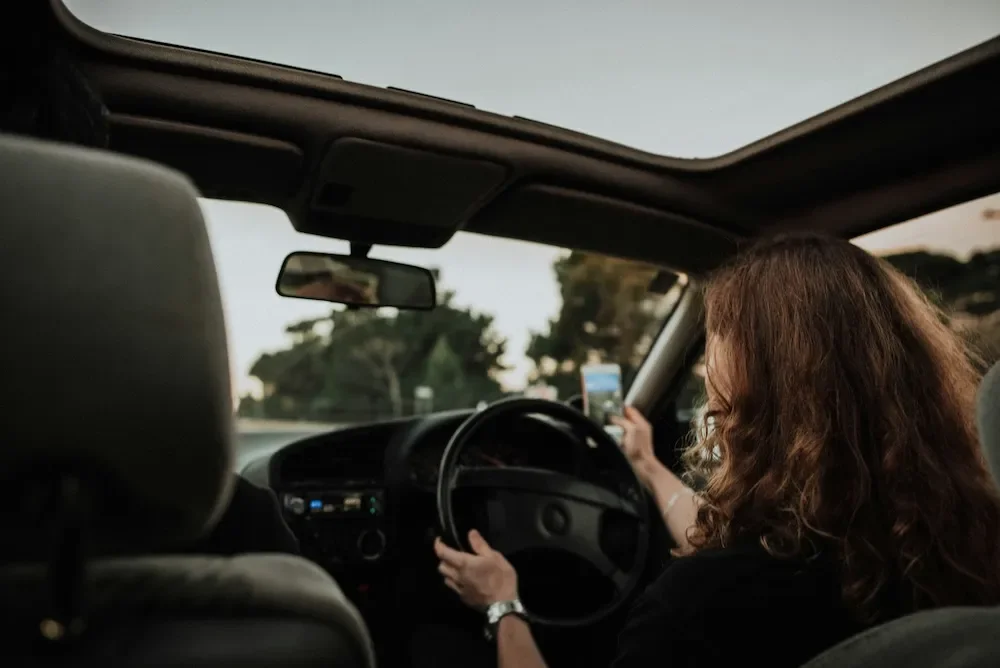 Driving alone can feel empowering, but an aggressive driver can quickly turn a normal trip into a stressful one. For women behind the wheel, knowing how to stay calm, spot warning signs and respond safely can make a real difference during a road rage incident. You can’t control how other people drive, but a few practical habits help you stay prepared and protect yourself.
Why road rage feels worse when you are alone
Road rage can feel especially intimidating when you’re alone, because there’s no passenger to help judge the situation or offer support. Tailgating, shouting, repeated honking or being followed can make you feel trapped and unsure what to do next. Recognizing these signs early and focusing on your safety helps you make calmer decisions without escalating things.
Everyday driving habits
Everyday driving habits reduce tension, especially in heavy traffic or around impatient drivers. Signal consistently, keep a safe following distance, and avoid sudden lane changes or unnecessary braking so your movements are predictable. You won’t prevent every encounter, but defensive, patient driving avoids common triggers.
If another driver starts shouting, tailgating or gesturing, resist the urge to respond or prove a point. Keep your eyes on the road, avoid eye contact if it could make things worse, and let the driver pass when it’s safe. The goal is getting where you’re going safely, not winning an argument with someone you can’t control.
Prepare your car and your route
Good vehicle maintenance helps you avoid breakdowns, which matters more when you’re alone or in unfamiliar areas. Check your fuel regularly, keep your phone charged, and keep emergency contacts and basic supplies within reach. Keep doors locked and windows secure while driving for an extra layer of protection if someone behaves aggressively.
Plan your route before you leave so you’re not making last-minute turns, unnecessary stops or fiddling with a navigation app. Pay attention to your surroundings and note well-lit, busy places where you could pull over if you feel uncomfortable or think you’re being followed. On longer trips or late at night, share your route and expected arrival time with someone you trust.
What to do if a driver targets you
- Don’t engage. Resist shouting back, making gestures or challenging the other driver, even if they’re clearly in the wrong. Responding aggressively makes the situation more unpredictable and raises your risk. Keep driving and give them space when it’s safe.
- Head somewhere public. If the driver keeps following you or seems to be trying to approach, don’t drive home or stop somewhere isolated or dark. Go to a busy, well-lit public place or the nearest police station. Don’t make sudden or reckless moves to shake them off, which could cause a serious collision.
- Stay in the car. If you’re stopped in traffic or at an intersection, keep the doors locked and windows mostly closed. Don’t get out to argue, even if the other driver comes up and bangs on the glass. If they try to get in or threaten you, stay inside if it’s safe and call emergency services.
- Call for help. If you believe you’re in immediate danger, contact emergency services as soon as you can safely do so. Use hands-free if available, or pull over somewhere safe first if that won’t increase the danger. If you can, share your live location with someone you trust, but don’t let the phone distract you from the road.
- Document it afterward. Once you’re safe, write down what you could safely observe: the other vehicle’s make, model, color and license plate. Save any dashcam footage and note the time, location and what happened. If the incident led to a collision or injury, these details help when you report it to police or talk to an insurer or a lawyer, such as an accident settlement attorney, about your options.
Final thoughts
Driving alone doesn’t have to feel intimidating. Build safe habits, stay aware of your surroundings and know how to respond calmly. You can’t control another driver’s behavior, but you can take steps to protect yourself and avoid making a dangerous situation worse.
Leave a Reply